
The World Health Organization (WHO) reported that the world’s population is aging rapidly. In 2023, 1.1 billion people worldwide were 60 or older. That figure is projected to nearly double to 2.1 billion by 2050. By the late 2060s, the number of people aged 60 or older will reach 2.5 billion. The number of people aged 80 or older is expected to more than triple between 2023 and 2060, reaching approximately 545 million.
In recent years, mental health awareness has become an increasingly popular topic. According to new data released by WHO in September 2025, more than a billion people worldwide are living with mental health issues, inflicting immense human and economic tolls.
To better understand mental health, we need to define it.
What is Mental Health?
Mental health is not simply the absence of a mental health condition—it’s also about the presence of well-being and the ability to thrive.
The CDC defines mental health as the component of behavioral health that encompasses our emotional, psychological, and social well-being. Mental health is a state of well-being that enables us to cope with life’s stresses, realize our abilities, learn and work well, and contribute to our community.
Does Mental Health Affect Everyone?
Mental health problems are widespread across every society and age group and remain the second leading cause of long-term disability. We all may deal with some form of mental health challenges from time to time. However, there is a generational divide in mental health across generations like Baby Boomers, Gen X, Y, Z, and, more than likely, Generation Alpha/Beta.
People tend to view mental health challenges and the way they’re dealt with as being the same for the young and old. Not so. This article focuses on mental health and the older generations with information and clarity on the differences in two parts. Part two will focus on Generations X, Y, Z, and Alpha/Beta Generations.
Mental Health and the Aging Population
Older adults contribute to society as family, community members, and workers. Most are healthy, but many face mental health risks. Aging can bring life changes like anxiety, depression, attention deficits, dementia, loss of loved ones, and panic disorders. Some may also face social isolation or loneliness. Multiple conditions often occur simultaneously.
In my youth, I didn’t consider mental health an issue. Likely because I was young and unaware of mental wellness, I just went with the flow. Back then, mental health was rarely talked about or acknowledged. Baby Boomers like me, who grew up during a time of strong stigma, can relate. We often inherited a “tough-it-out” mindset, making us hesitant to discuss or seek help for mental health challenges.
Mental Health Literacy Among Elders
There is a generational gap in mental health knowledge among older adults. Older adults exhibit poorer mental health literacy than younger adults, including less accuracy in identifying symptoms of mental disorders. An example of the widespread lack of mental health literacy is an older study indicating that many people consider dementia and depression normal parts of aging, which is not true. I once thought this myself.
Mental health literacy, or knowledge and beliefs about cognitive, behavioral, and emotional well-being, is also not as widespread. This may be due to lingering stigma from an individual’s upbringing.
Many older adults may be discouraged from seeking mental health care for issues such as these due to this kind of mindset. During my research on mental health and older adults, I’ve learned that we approach mental health differently than younger people. Let’s reflect.
What Do We Know?
Greatest Generation (GI Generation) born 1901-1927
- Mental health issues were often stigmatized and poorly understood during their formative years.
- Common stressors included the Great Depression and World War II, which affected their mental well-being.
Silent Generation (my parents) born 1928-1945
- Like the GI generation, they faced stigma surrounding mental health, so they learned to tough it out.
- Mental health issues in this group often include anxiety, depression, and loneliness.
Both generations grew up during the Great Depression and World War II, impacting their mental resilience. Then came the Baby Boomers.
For Baby Boomers, there’s stigma and generational beliefs. For example:
- Therapy and psychiatric care were less normalized during their formative years.
- They experience midlife, aging-related issues resulting in physical health decline, like heart disease, arthritis, and diabetes, that can lead to stress, depression, and anxiety. I can certainly relate to some of these health issues.
- Cognitive Decline: Concerns about dementia and Alzheimer’s disease create anxiety and can exacerbate mental health issues as people age.
- Retirement Adjustment: Leaving the workforce often disrupts identity, purpose, and social connections, potentially leading to feelings of isolation or depression.
- Financial challenges like inadequate retirement savings.
- Resistance to change/rise of technology. Many feel the rate of change is overwhelming.
- Social isolation may develop gradually, often stemming from the loss of spouses, friends, or family members. These losses become more common with age, leading to increased loneliness and even suicidal thoughts. Reduced mobility or health issues can make it difficult to maintain social connections, further exacerbating isolation.
Concerns and Experiences
Although some seek help for their mental health challenges, many still believe discussing mental health issues or seeking mental health support is wrong. I can recall a time when the primary response to individuals with a mental illness was institutionalization and being labeled as crazy.
As an older adult in my late sixties, I have grown more concerned about my mental health. At times, I experience anxiety as thoughts of mortality begin to creep into my mind. I now see my life as more than halfway over, and the fear of aging has suddenly become a real concern for me.
Our perception of this topic and our preferences regarding mental health are often shaped by our past experiences, culture, age, gender, and other factors. Although it’s safe to say that mental health affects everyone, its impact varies across generations. These cultural experiences may help explain why older generations are often more hesitant to reach out for help, even today.
Risk Factors
At older ages, mental health is shaped not only by physical and social environments but also by the cumulative effects of earlier life experiences and age-related stressors. Exposure to adversity, significant loss of intrinsic capacity, and declining functional ability can all result in psychological distress.
Older adults are more likely to experience adverse events. Despite their many contributions to society, they often face ageism, which can seriously affect their mental health.
Many older people are carers of a family member with chronic health conditions. Such care can be overwhelming and can affect the carer’s mental health. Something else I can relate to.
Promotion and Prevention
Mental health promotion and prevention strategies for older adults focus on supporting healthy aging. This means creating physical and social environments that support well-being and enable people to do what matters to them, despite declines in capacity.
At this stage, meaningful social activities enhance mental health, life satisfaction, and quality of life while reducing depression. Examples include befriending, support groups, social skills training, arts groups, and leisure services.
Bridging the gap between generations in mental health requires understanding the historical context of mental health stigma and negative perceptions. Meeting each individual where they’re at can foster a more compassionate culture.
Where to Find Help
CDC’s Resources for Mental Health Help and Support – A compilation of provider directories, substance use treatment locators, and mental health resources.
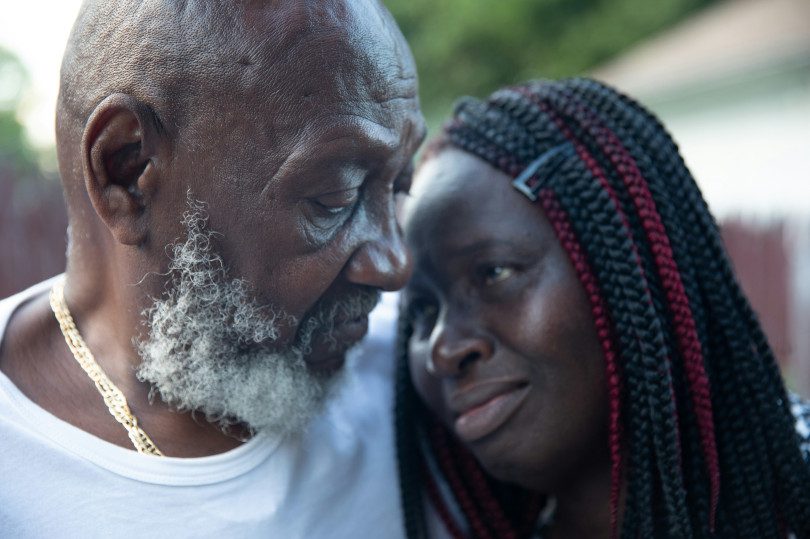
Featured image/photo by Nappy on Unsplash.
#MentalHealth
#DCVoice
#TheDCVoice
#DCVoiceMedia
#DCVoiceNetwork
#DCVoiceTV
#DCVoiceStudios
#DCVoiceOfficial
#changingthenarrative
#media
#news