

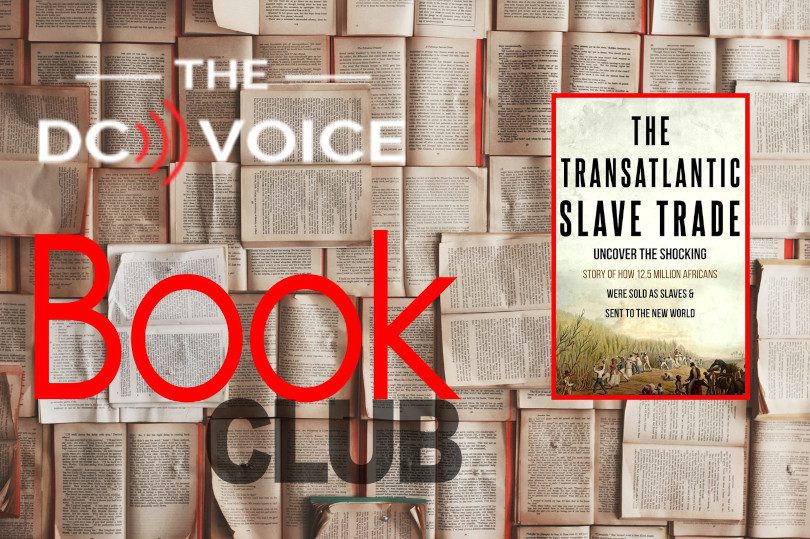
Like most books on the transatlantic
- Britain made more than $14 million dollars selling Africans to the Americans (that’s nearly half a billion dollars today)
- A healthy male slave was worth $1000 ($30,000 today)
- Slave ships were ensured where if only 25% of its cargo (slaves) made it to the Americas they were still profitable
- 80% of the global cotton supply was produced through slavery
- Britain had over 46,000 slave owners
- After abolition, ex slave owners were compensated thousands of English pounds for their “losses” (roughly millions of dollars in today’s currency)
- Companies like Domino Sugar, insurers like Aetna, Lords of London, AIG and banks like Wells Fargo, Citibank and Bank of America have roots built in slavery
Other little-mentioned facts the book uncovers is how northern companies profited heavily by providing raw materials, ships, and other industrial needs of southern slaveholders. It also reports of domestic slave trading when the transatlantic trading was abolished. The Transatlantic Slave Trade: Uncover the Shocking Story of How 12.5 Million Africans Were Sold as Slaves & Sent to the New World is another one of those to-the-point, fill in the gaps books that helps round out the full profit motives and generational wealth building created by slavery.