

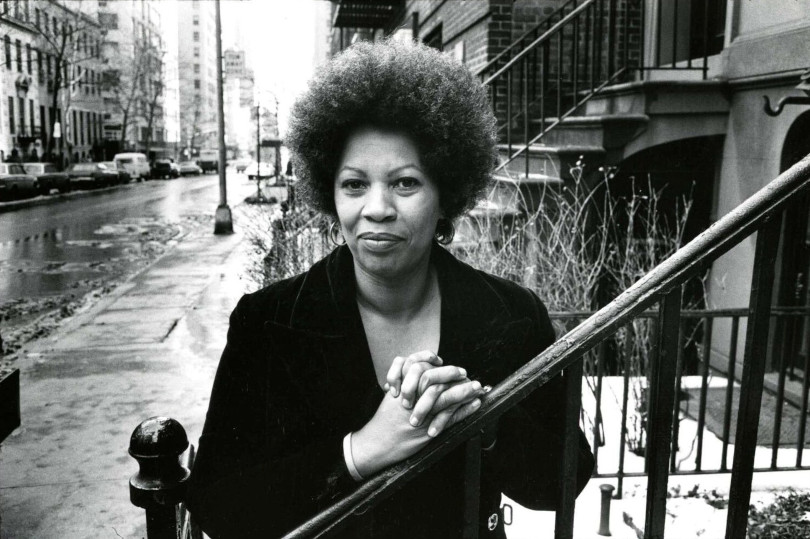
Society is obsessed with controlling women. Whether it’s the Salem Witch Trials, the overturning of Roe V. Wade, or the rise of ‘incel’ culture, history has proven time and time again that there’s an infatuation with monitoring how women exist in their bodies. When a woman naturally embodies a spirit that defies these systems of control, she’s a threat. The prolific author and Howard alum Toni Morrison pushes this concept to new depths in her second novel, Sula.
The novel is a coming-of-age story that follows the diverging friendship of two girls, the title character Sula and Nel. As they grow, Sula develops a strong appetite for freedom. She’s deeply curious about the world, infatuated by things that scare others, like darkness, sexuality and death. Instead of accepting what she must do, she’d rather know why she must do it. The older she gets however, the more townspeople label her behavior as ‘promiscuous.’ She is exiled from her sleepy town, the Bottom, and builds a life on the outskirts of societal expectation. She travels, goes to school, has different lovers, and refuses to settle down.
Nel, on the other hand, gets married, has kids, and settles down, never leaving the soil of her hometown — as women from The Bottom tend to do. When Sula returns, after years of absence, she’s met with whispers and dirty stares. Rumors begin to surface around what (and who) she’s been doing for so many years. After burning all her bridges and sleeping with multiple husbands (including Nel’s) Sula ends the novel on her death bed, alone.
The Bottom feared Sula because she didn’t play by the rules. They spit her out for the world to chew because she didn’t fit in their box of expectations. Have a child, be a housewife, please your husband. This life felt suffocating and freedom much more intoxicating.
There’s something about Sula that leaves a bitter taste in your mouth long after it’s over. Her demise is reflective of the way patriarchy treats women it deems ‘too much.’ Even today, they’re called derogatory names, shamed, and outcasted when they engage in behavior that challenges the norm. Female politicians, celebrities, and public figures are held under more scrutiny for the same mistakes their male counterparts make. While women across the world are suffocated under the weight of expectations regarding daughterhood, wifehood, motherhood, etc. In many places, women are met with violence, exile and even death if they don’t fulfill these ‘roles.’ Womanhood is a plight in itself under patriarchy.
Sula was a complex protagonist who was hard to root for at many points, but that’s the genius of Toni Morrison. Underneath her destructive tendencies was a yearning to be free. A yearning society was never willing or able to fulfill. So, she took it. There’s an odd sense of empowerment in Sula. It’s empowering to read a protagonist who has the courage to choose freedom again, and again. A character willing to take her freedom like a ferocious beast who’s been denied food for days. Sula was an archetypal embodiment of a radical woman in a patriarchal society.
Featured image/photo courtesy of ArtsLife.
#Sula
#DCVoice
#TheDCVoice
#DCVoiceMedia
#DCVoiceNetwork
#DCVoiceTV
#DCVoiceStudios
#DCVoiceOfficial
#changingthenarrative
#media
#news