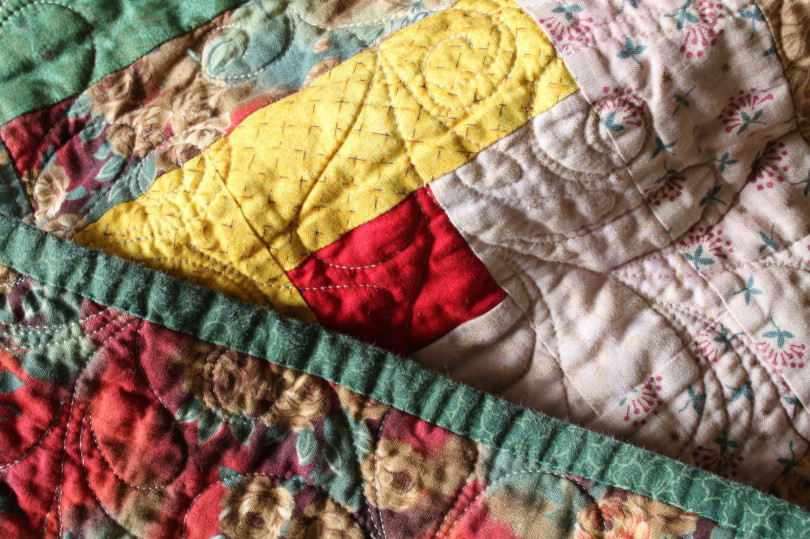
Art has consistently played a significant role in maintaining history, showcasing identity, and linking generations. For African Americans, art holds significant value as it offers a means to maintain cultural traditions in the face of slavery, racial discrimination, and historical marginalization. The display, Routed West: Twentieth-Century African American Quilts in California at the National Museum of Women in the Arts in Washington, D.C., examines this heritage through the creations of Black quilt artisans. Showcasing almost 80 pieces, the exhibition illustrates that quilting signifies more than just a functional ability. It is a profound method of narrative that commemorates African American culture, respects Black women, and safeguards experiences that could otherwise be overlooked.
Traditions
African American quilting traditions evolved over generations characterized by ingenuity, creativity, and cultural interaction. At times when Black Americans encountered restricted educational and economic prospects, quilting enabled numerous women to turn accessible materials into valuable and significant works. Materials from worn garments, home items, and other rejected fabrics transformed into artistic creations that showcased cultural heritage.
The Routed West exhibition links these traditions to the Second Great Migration, during which around five million African Americans departed the South
from 1940 to 1970
in pursuit of improved opportunities and to
flee racial violence.
Numerous families
took quilts
along while traveling. These quilts
offered warmth and
solace while
preserving ties to their Southern heritage. They
turned into cherished items symbolizing family and the endurance of culture.
This history matters as African American heritage goes beyond recorded documents and historical landmarks. It is also present in common items, family recollections, music, narratives, and creative customs. Quilts capture these experiences via patterns, hues, and textiles, enabling future generations to grasp the challenges and achievements of their forebears.
Artistic Contributions
A key theme of the exhibition is the significance of Black women as artists, historians, and cultural figures. For generations, African American women have harnessed creativity to sustain their families, empower their communities, and maintain their cultural identities. Nevertheless, their artistic contributions have often garnered less acknowledgment compared to painting and sculpture, which art institutions regard as more esteemed art forms.
Quilting contests these beliefs by showcasing the artistic insight needed to produce detailed fabrics. Black women turned everyday materials into significant creations that expressed their experiences and safeguarded their families’ legacies. Their accomplishments warrant acknowledgment as meaningful contributions to American art.
The exhibition further emphasizes how quilting links generations of women. Mothers, grandmothers, and various relatives transmitted methods, designs, and understanding. In this manner, quilting turned into a means of cultural conservation. Previous generations instructed younger women in sewing skills while also teaching them to nurture family ties and respect their cultural background.
The quilts
showcased in Routed West illustrate how art
conveys profoundly personal experiences.
Alice Neal’s Mary Bright Commemorative Quilt, made in
remembrance of her mother, includes fabric from her mother’s dress
along with a portrait to celebrate her
legacy.
Through converting personal memories into a permanent homage, Neal
shows how textiles can serve as family
records.
Narratives in the Creative
Narratives such as Neal’s uncover the emotional importance of African American quilting. These pieces maintain connections that may not be reflected in formal historical documents. They also show how Black women have utilized creativity to cope with sorrow and sustain bonds through generations.
This practice continues to be significant for modern artists investigating race, gender, and ancestral heritage. Similar to painters and sculptors, quilt-makers express concepts through their visual selections and artistic methods. Their efforts show that cultural heritage can motivate innovative forms of expression while still being linked to history
The exhibition’s location in Washington, D.C., enhances the significance of its message. The city boasts a rich legacy of African American cultural contributions, intellectual guidance, and opposition to racial discrimination. Organizations like Howard University and the Anacostia Community Museum of the Smithsonian have contributed to the preservation and study of Black history
By showcasing African American quilts in a prominent museum, Routed West contests conventional distinctions between fine art and craft. It urges audiences to acknowledge Black women as vital participants in American artistic history instead of relegating their contributions to the periphery. This acknowledgment inspires emerging artists to delve into their cultural identities and safeguard the narratives of their communities.
Visit the Exhibit
In the end, Routed West: Twentieth-Century African American Quilts in California illustrates how art maintains heritage, reinforces family bonds, and honors the contributions of Black women. Generations of African American women have turned simple materials into remarkable testimonies of creativity, resilience, and cultural endurance through quilting.
Featured image/photo by K Adams on Unsplash.
#TheConnectionBetweenArtandHistory
#DCVoice
#TheDCVoice
#DCVoiceMedia
#DCVoiceNetwork
#DCVoiceTV
#DCVoiceStudios
#DCVoiceOfficial
#changingthenarrative
#media
#news