

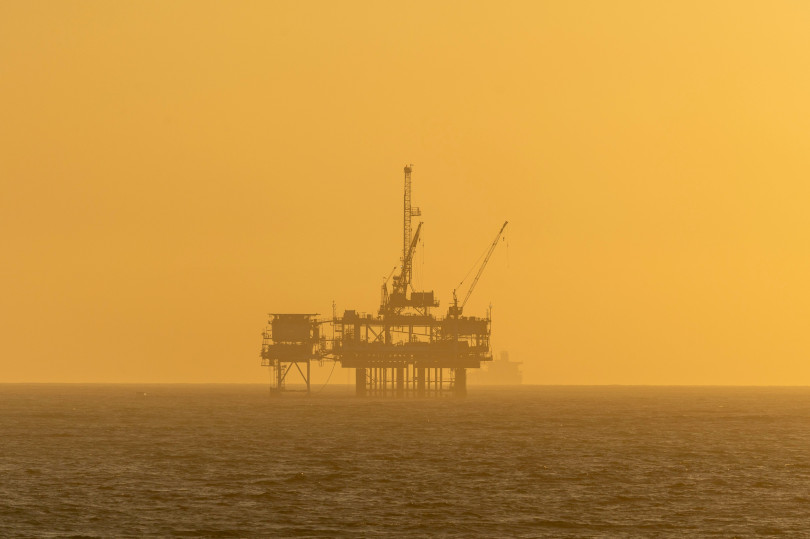
On August 31st, President Donald Trump struck a deal to secure majority control of over 65 billion barrels of proven oil reserves in Venezuela through a partnership with North American Blue Energy Partners (NABEP), receiving 100-year concessions for 17 oil fields, though Caracas has described this as a 25-year arrangement. This agreement provides a Pentagon office with a 35% ownership stake in NABEP and the right to buy 20% of the oil produced without a price markup.
The President of Venezuelan State Oil Company PDVSA, Héctor Obregón, insisted the deal is win-win, explaining the mutual benefits: Venezuela will collect taxes and royalties, while the US will be able to supply its domestic demand. Interim President of Venezuela Delcy Rodriguez held a press conference in Caracas with US energy secretary Chris Wright and thanked Trump, the US State Department, and the Department of Energy for helping secure the oil deal.
There are over 26,000 Venezuelans who live in the Washington, D.C. metropolitan area. The growing worry within the Venezuelan community about Washington’s increasingly close relationship with Delcy Rodriguez is the feeling that Washington is legitimizing an illegitimate government under Delcy Rodriguez. Additional concern is that the Trump administration could use the change in Venezuela’s political situation as a reason for accelerating deportations or denying asylum claims. This as the United States’ relationship with Venezuela has evolved since Maduro’s removal.
Where does this new oil deal leave Venezuelans right now? The Bolivarian revolution appears to be at its weakest and most fractured state in its history; however, at the same time, the opposition movement seems to be sidelined from any real decision-making process. Venezuela’s future grows more uncertain by the month. However, there is a certainty in the larger role the United States will continue to play in Venezuela’s politics, at least in the short term.
The question that follows is: what will Trump do next in his pursuit of establishing his Donroe Doctrine? He only has two more years. What many Venezuelans at home and here in the United States are wondering is what the next U.S. president will do. This oil deal, the strikes in the Caribbean, and the extraction of Maduro all walk a fine line of dubious legality. A future US president may consider and operate under the view that all these actions conducted by the Trump administration have been illegal and could legally reverse the decisions.
As a Venezuelan American, I have concerns about how this deal will be carried out in practice in addition to its effects on the Venezuelan community in D.C. and across the United States. The fear of deportation is real for many Venezuelans in D.C and with increasing relations between Delcy Rodriguez and Trump, the potential implications explained above create even more fear. ICE is an ongoing topic of political conversation in Venezuela. For one, people prefer to not openly discuss the Venezuelan government. Secondly, many Venezuelans have loved ones in the US. ICE is an organization causing terror in the minds of Venezuelans abroad and in Venezuela. Less than a month ago a Venezuelan was shot by an ICE agent in Texas. An increase of ICE activity in D.C. is a primary concern for all members of Venezuelan diaspora.
In the midst of all this, the Venezuelans throughout the US are left riding a rollercoaster of hope and fear, waiting to see how their future, the future of their country, and the future of their present home will turn out.
Featured image/photo by Leo Visions on Unsplash.
# US-VenezuelaOilDeal
#DCVoice
#TheDCVoice
#DCVoiceMedia
#DCVoiceNetwork
#DCVoiceTV
#DCVoiceStudios
#DCVoiceOfficial
#changingthenarrative
#media
#news