
Every corner of U Street seems to light up on Friday and Saturday nights as college crowds pour into bars flashing fake IDs. Lines of regulars gather at long-standing bars, clubs where local artists make their debuts at DC9 and the 9:30 club.
U Street brings vibrant energy to Northwest DC, but with that vibrant energy comes noisy crowds bar hopping, laughter until the early morning hours and Ubers double parked on side streets. While for some the night is only getting started, others are trying to rest after finally getting their children to sleep.
U Street’s historic nightlife legacy collides with the realities of modern-day mixed-use living in Washington, DC. Community members continue to work with Alcohol Beverage and Cannabis Administration (ABCA) and establishments on U Street to monitor noise levels. Residents are raising the question of how they can coexist with nightlife establishments.
Nightlife has always been a part of the culture on U Street. From the early 1900s, U Street served as a place for communities to come together centered around music. Long-standing venues like the Lincoln Theatre, Bohemian Caverns and Howard Theatre built nightlife on U Street, becoming home to the district’s jazz scene. Today’s nightlife on U Street is part of a longer lineage, not an accidental emergence.
In the February 5 public meeting of ANC 1B, commissioners and committee members discussed current pressure points for residents and community members relating to noise ordinances and establishments on U Street.
Today U Street creates economic vitality for the neighborhood. The growth of nightlife from the 2000s to the 2020s welcomed a boom of bars, lounges and rooftop venues.
U Street is becoming more residential with recently opened apartment buildings and years old row houses. New real estate in the area is driving rent prices and bringing in more crowds leading to a strain on ANC oversight.
To residents of ANC 1B, U street night life is not just a cultural force, it is an administrative burden.
Looking back to a January ANC 1B meeting, committee member Frank Chauvin commented on noise, late night safety and protest fatigue. Some community members complained about nighttime behavior, illegal alcohol sales and trash. These conversations lead to the resolution requiring the ABCA committee of ANC 1B to have clearer processes.
While many residents value nightlife as a part of the cultural experience of living in DC, some vocalized how it affects their public health, noting lack of sleep, car damage and parking challenges and crime concerns.
At the February 5 meeting, Fred Moosally the Director of ABCA answered commissioner and committee member concerns about ongoing issues they had been dealing with. “I think, that’s really the main resident issue we get, is noise. People want to be able to sleep and enjoy their homes. That’s the main thing we get especially from your ANC,” Moosally said in response to ANC 1B.
While U Steet has long been a nightlife and entertainment hub, the past two decades have brought a wave of residential development to ANC 1B, with new apartment buildings rising alongside historic row houses. To some longtime residents, nightlife is part of why they live there.
Historically, U Street thrived because it was lively, loud and culturally electric. Today, that very vitality is producing conflict as demographics and land uses shift. This puts ANC 1B in the position of the referee with more meetings, hearings and disputes than ever.
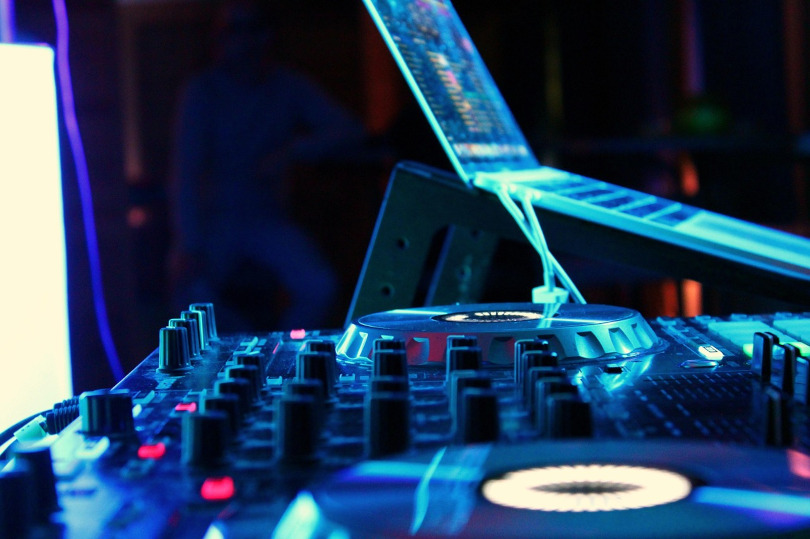
Featured image by Spudaitis from Pixabay.